



Close Menu
    Facebook X (Twitter) Instagram
    • Home
    • About Us
    • Digital Subscription
    • Advertisement
    • Contact Us
    X (Twitter) Instagram
    The Tennessee TribuneThe Tennessee Tribune
    Advertise With Us
    • Home
      • COVID-19 Resource Center
        • Dr. Henry Louis Gates’ PSA Radio
      • Featured
    • News
      • State
      • Local
      • National/International News
      • Global
      • Business
        • Commentary
        • Finance
        • Local Business
      • Investigative Stories
        • Affordable Housing
        • DCS Investigation
        • Gentrification
    • Editorial
      • National Politics
      • Local News
      • Local Editorial
      • Political Editorial
      • Editorial Cartoons
      • Cycle of Shame
    • Community
      • History
      • Tennessee
        • Chattanooga
        • Clarksville
        • Knoxville
        • Memphis
      • Public Notices
      • Women
        • Let’s Talk with Ms. June
    • Education
      • College
        • American Baptist College
        • Belmont University
        • Fisk
        • HBCU
        • Meharry
        • MTSU
        • University of Tennessee
        • TSU
        • Vanderbilt
      • Elementary
      • High School
    • Lifestyle
      • Art
      • Auto
      • Tribune Travel
      • Entertainment
        • 5 Questions With
        • Books
        • Events
        • Film Review
        • Local Entertainment
      • Family
      • Food
        • Drinks
      • Health & Wellness
      • Home & Garden
      • Featured Books
    • Religion
      • National Religion
      • Local Religion
      • Obituaries
        • National Obituaries
        • Local Obituaries
      • Faith Commentary
    • Sports
      • MLB
        • Sounds
      • NBA
      • NCAA
      • NFL
        • Predators
        • Titans
      • NHL
      • Other Sports
      • Golf
      • Professional Sports
      • Sports Commentary
      • Metro Sports
    • Media
      • Video
      • Photo Galleries
      • Take 10
      • Trending With The Tribune
    • Classified
    • Obituaries
      • Local Obituaries
      • National Obituaries
    The Tennessee TribuneThe Tennessee Tribune
    National/International News

    What Makes Peru’s Alpacas so Special?

    zenger.newsBy zenger.newsNovember 19, 2020No Comments4 Mins Read
    Facebook Twitter LinkedIn Telegram Pinterest Tumblr Reddit Email
    Share
    Facebook Twitter LinkedIn Pinterest Email

    Peru is one of the world’s most fascinating places. This South American country encompasses both a section of the Amazon Forest and Machu Picchu (an ancient Inca city in the Andean highlands.) The latter is one of the most important archaeological and touristic areas in Latin America. It includes the Sacred Valley, the Inca Trail, and the city of Cuzco. Peru has both natural and cultural treasures.

    The vast territory that it occupies gives it unparalleled landscapes. It is also the number one producer of alpaca fiber in the world, among many other remarkable things. We can even find in the Peruvian national flag and coat of arms a Vicuña, which shares ancestors with the alpacas and llamas.

    Why are Peruvian Alpacas So Loved?

    About 150,000 families depend on the sale and export of meat and textile fiber of this species. (Photo by Jessica Knowlden / Unsplash)

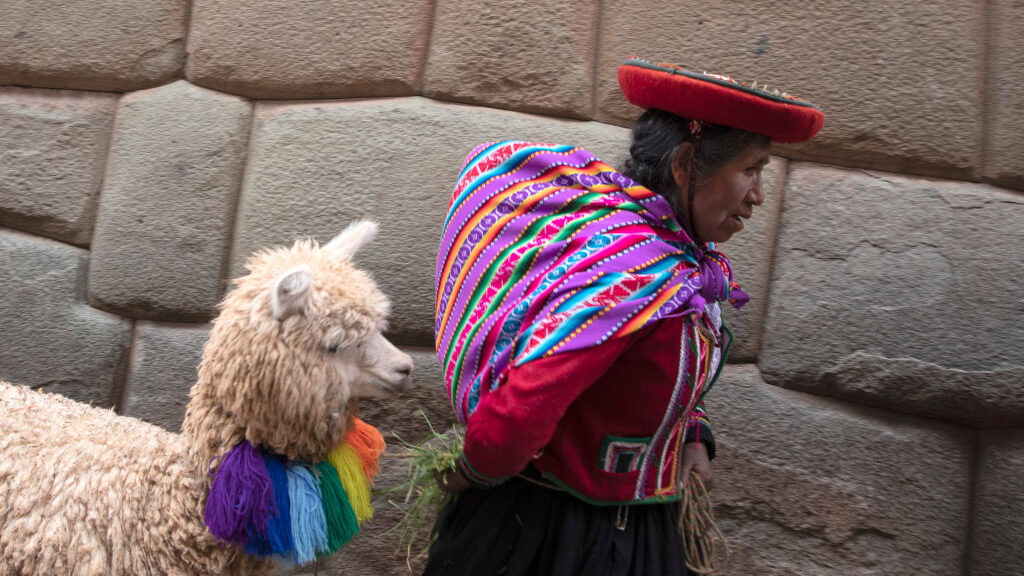
    The alpacas live in the Peruvian Andes. People consider them as one of the most beautiful camelids (camel species family) in South America. This species is fundamental for the Andean shepherds. At least 150,000 families depend on selling and exporting this animal’s meat and textile fiber.

    The average gestation period for an alpaca is approximately 11 months. They have a small reproductive track. Therefore, they can only produce one baby per year. Shepherds then raise and care for the foals with great affection and devotion. They have an average life span exceeding 25 years, depending on how much care they get.

    Peru has 87% of all alpacas in the world, divided into two different races: the Huancaya (80.4%,) and the Suri (12.2%). The main difference between both species is their fur and they can breed with each other. Shepherds organize them in herds. They graze in the Andean highlands, at an altitude around 3500 to 5000 meters above sea level.

    Alpaca fleece is silky, elastic, soft, durable, and non-flammable. With 22 official colors (plus their intermediate tones), it is perfect for crafting all kinds of clothing. Its most notable quality is its softness, for even in its thickest form, it is inherently softer than sheep’s wool.

    The Weaving Process of the Alpaca fiber. (Photo by Mark Dadswell / Getty Images)

    Their fleece has thermal properties, which allows them to adapt to any temperature change. Because of that, different countries have imported them, including the USA, New Zealand, Australia, and the Netherlands. Each year, South America produces approximately three million kilos of alpaca fleece.

    This represents a rough 4% of all fibers processed in any given year. It is common to see alpaca garments abroad, which characterizes the Peruvian seal of approval behind them, as those who wear alpaca clothing do not get cold.

    The Historical and  Cultural Significance of Alpacas

    For the Incas, alpacas were the most important animal. Each part of this camelid had a specific purpose. Incas ate their meat, and used their bones. Their leather, fat, and excrement were used for various applications. Alpaca’s wool made their yarns and fabrics (which had significance and value in symbolic, cultural, and religious aspects.)

    Incas treasured them as an integral part of their civilization. They represented them in a legend in which the gods deposited the alpacas on Mount Ausangate, Peru. They would remain on Earth, as long as humanity treated them with kindness and respect.

    Another tale tells the story of a goddess who fell in love with a man. Her father would only allow her to be with her lover if she took care of his (the god’s) alpaca herd. So, when she came to our world, the alpacas followed her closely. One day, however, the goddess decided to return home. The man then tried to stop her and her herd. He could not keep all of them from leaving, yet he managed to force some of the alpacas to stay. These are the ones that can found in the Andes. They are still waiting to be able to return home and be with their goddess.

    People revere, care for, and show respect to these animals. Every year since 2012, on August 1st, Peruvians celebrate the “National Alpaca Day,” recognizing the cultural identity of the Andean highlands as a gift from the gods.

    (Translated and edited by Mario Vázquez, edited by Ganesh Lakshman.)


    The post What Makes Peru’s Alpacas so Special? appeared first on Zenger News.

    Share. Facebook Twitter Pinterest LinkedIn Tumblr Email
    zenger.news
    • Website

    Related Posts

    IN MEMORIAM: Eternal Salute to The Reverend Dr. Jesse L. Jackson, Sr.

    February 24, 2026

    Civil Rights Leader Rev. Jesse Jackson Dies at 84 After Lengthy Illness

    February 17, 2026

    Barbados – PM Mia Mottley Sweeps to Victory in Elections, Third Time

    February 16, 2026

    Black Homeownership Rate Drops to Lowest Level Since 2021

    January 19, 2026

    Jack and Jill of America, Inc. Honors Dr. Martin Luther King Jr.’s Legacy With 100,000-Hour National Service Commitment to Address Food Insecurity

    January 18, 2026

    USPS Honors Poet Phillis Wheatley With Black Heritage Stamp

    January 18, 2026

    Comments are closed.

    Advertisement
    https://www.youtube.com/watch?v=IZODr-6rxyI
    Business

    FUNdraising Good Times: Life without nonprofits

    March 26, 2026

    Princess Polly store to open in Nashville

    March 11, 2026

    Republic Bank Announces New Inclusion and Diversity Lead in Human Resources

    February 21, 2026
    1 2 3 … 399 Next
    Education
    Education

    Meharry Medical Students Match at Top Residency Programs Nationwide

    By adminMarch 26, 2026

    By Brandon Marshall The 2026 Residency Match Results ceremony took place on Friday, March 20…

    Meharry Medical College Launches Professional Certificates to Bridge the Gap Between Data and Care

    March 24, 2026

    Inaugural MNPS Book Fest to Feature 17 Authors, Panels, Workshops, and More

    March 24, 2026

    MTSU President Sidney A. McPhee to retire at end of year after quarter century leading institution

    March 19, 2026
    The Tennessee Tribune
    X (Twitter) Instagram
    • About Us
    • Digital Subscription
    • Store
    • Advertise With Us
    • Contact
    © 2026 The Tennessee Tribune - Site Designed by No Regret Media.

    Type above and press Enter to search. Press Esc to cancel.