



NASHVILLE, TN — Long before Thanksgiving became known primarily as a holiday centered on family dinners, football and shopping, Black churches had made the season an important occasion for worship, reflection and community fellowship. Across generations, African American congregations have celebrated Thanksgiving through special church services, harvest gatherings, music, prayer and shared meals, connecting gratitude for life’s blessings with the history of survival and faith.
For many Black families, Thanksgiving was never limited to what happened around the dinner table. The church often served as the spiritual starting point for the holiday, with congregations gathering to give thanks for another year and recognize the hardships they had overcome. Special Thanksgiving services traditionally included sermons centered on gratitude, choir performances, congregational singing, scripture readings and opportunities for members to share testimonies.
The tradition has deep roots in African American religious life. Thanksgiving became a national holiday in 1863, when President Abraham Lincoln issued a proclamation establishing a national day of thanksgiving during the Civil War. For Black Americans, that same year carried extraordinary significance because Lincoln had also issued the Emancipation Proclamation. The relationship between freedom, faith and gratitude gave the holiday a particular meaning for communities emerging from generations of enslavement.
By the late 19th century, Black congregations were holding special Thanksgiving services and sermons that addressed both religious gratitude and the condition of African Americans in the nation. One documented example came in 1876, when the Rev. Benjamin W. Arnett delivered a Thanksgiving sermon at St. Paul AME Church in Urbana, Ohio. His message examined the history of nations, the responsibilities of citizenship and the treatment of Black Americans, demonstrating how Thanksgiving could provide an opportunity to celebrate faith while also confronting social injustice.
In many churches, Thanksgiving worship was also associated with harvest traditions. Congregations incorporated fruit, vegetables and other symbols of abundance into their services, recognizing the relationship between hard work, God’s provision and the blessings of the community. Some worshippers would leave with fruit representing the harvest and the previous season’s labor.

Music was another essential part of the celebration. Gospel choirs, traditional hymns, spirituals and call-and-response worship helped create an atmosphere in which gratitude was expressed collectively. The familiar sounds of congregational praise reinforced the idea that thanksgiving was not simply something spoken but something demonstrated through worship and fellowship.
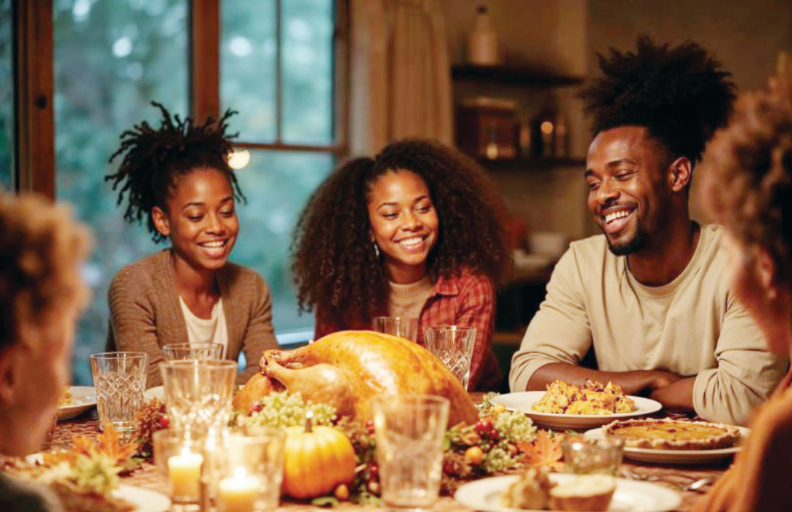
Outside the sanctuary, church members often organized dinners and community gatherings where families, neighbors and visitors shared traditional dishes. These meals brought generations together, including relatives who had traveled from other cities and states. For families separated by distance, the holiday became an opportunity to reconnect, remember loved ones and pass traditions to younger generations.
Today, many Black churches continue to observe Thanksgiving with special services, food distributions, community meals and outreach programs for families facing financial hardship. While the traditions may vary from congregation to congregation, the central message remains familiar: gratitude should extend beyond personal blessings to include service, generosity and concern for others.
For the Black church, Thanksgiving represents more than an annual holiday. It is an opportunity to remember where a community has been, recognize the faith that sustained previous generations and give thanks for the strength to continue moving forward.
Copyright©️ The Tennessee Tribune 2026. All rights reserved.
