


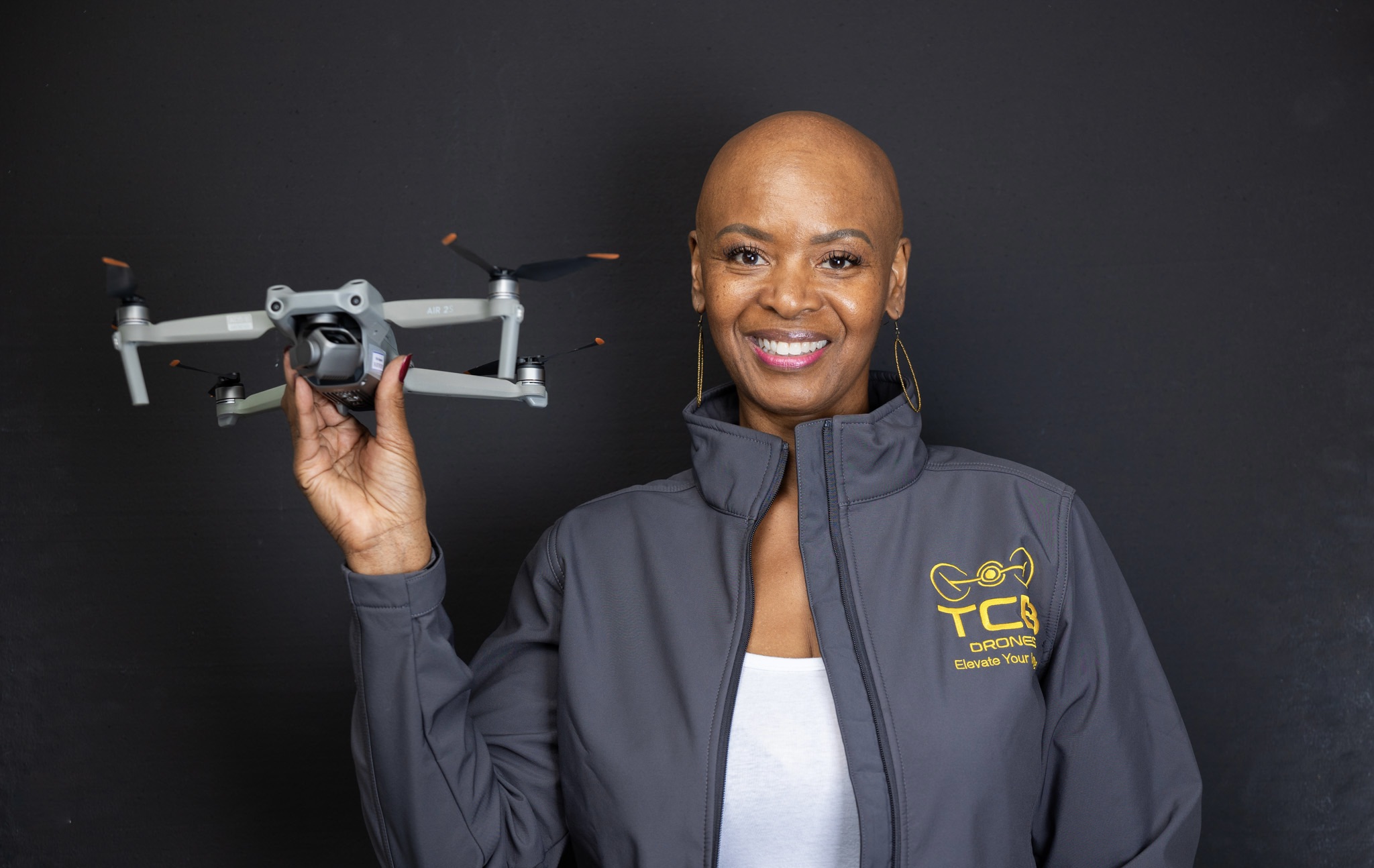
NASHVILLE, Tenn. (TSU News Service) – When Steffanie Rivers walked across the graduation stage at Tennessee State University in 1989 with a bachelor’s degree in mass communications, she viewed the world through the lens of a traditional storyteller. Decades later, she is looking at the world from an entirely different angle – hundreds of feet in the air, captured by the high-tech sensors of unmanned aircraft systems.
St photo)
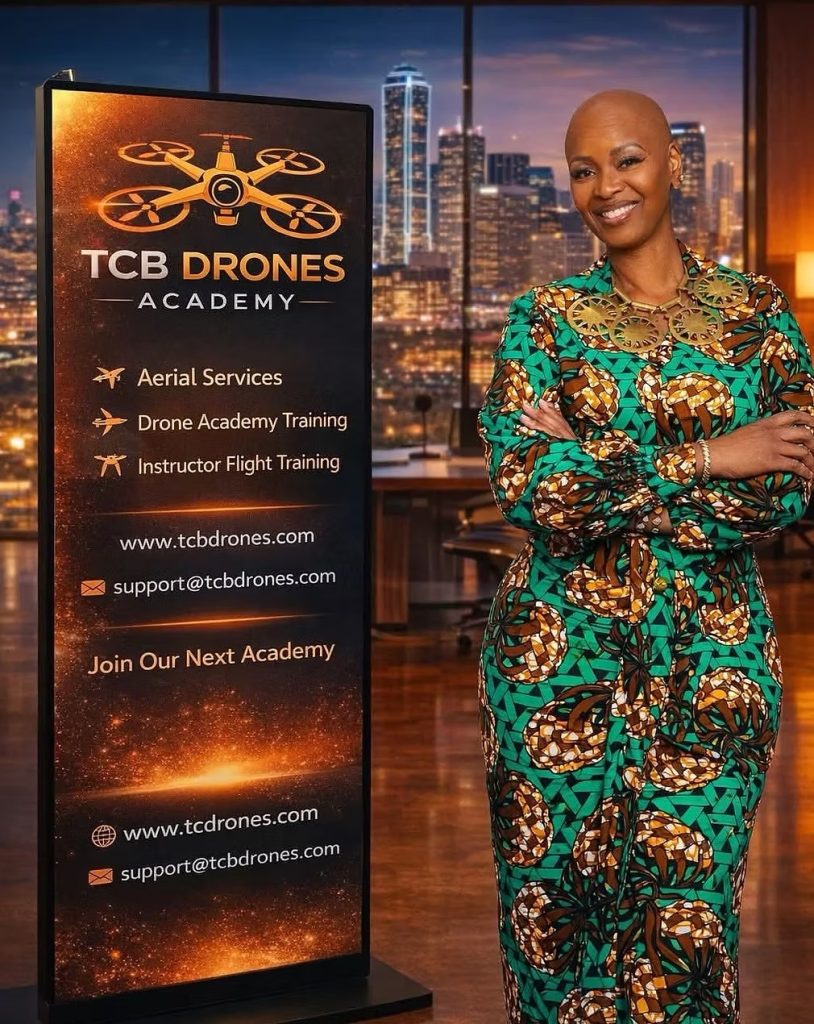
Rivers says the journey to this milestone was a steady, purposeful evolution. After leaving TSU, she built an extensive media portfolio, working as a newspaper reporter and as an on-air television journalist in North Carolina. She later climbed the ranks to a role at Fox News in Washington, D.C., while earning a master’s degree in journalism and public affairs from American University. She even spent time as a college professor at Morgan State University.
However, it was a move to Texas and a fascination with a new medium that altered her professional trajectory.
“Initially, I was attracted to drones because they allow for an entirely different perspective in storytelling,” Rivers says. “My goal has always been to merge my background in journalism, video, and audio production with this emerging technology to create stories that truly captivate people. Drones are so much more than remote-controlled toys; they are revolutionary tools for data collection that are transforming industries.”

Recognizing a massive gap in minority representation within this booming sector, she founded TCB Drones Academy. The milestone of becoming the state’s first Black woman to register a drone academy struck a powerful chord. Through her academy, Rivers and her team have helped hundreds of aspiring commercial pilots prepare for the Federal Aviation Administration (FAA) Part 107 exam, creating tangible workforce pipelines and providing vital technical training. Now, she wants to bring those exact economic and educational opportunities back home to TSU.
“Returning to my alma mater is a true full-circle moment,” Rivers says. “When you graduate, you always want to find meaningful ways to give back, not just financially, but through service and by being an example of what is possible. I want to leave an impact on the students at TSU that is just as profound and meaningful. Starting this conversation and partnership is incredibly near and dear to my heart.”
The new leadership initiative focuses on breaking down the traditional barriers of flight training by using unmanned systems as an accessible entry point. Rivers notes that while commercial airliners and drones seem worlds apart, they operate under the same federal scrutiny.
“Even though unmanned aircraft and commercial airlines seem distinct, they share the same skies,” says Rivers. “The safety training and foundational knowledge required by the FAA are incredibly similar. It is critical that anyone involved with drones possesses a high level of aviation knowledge. Through this initiative, we want to help TSU students bridge that gap, pass their certification exams, and understand the vast opportunities bridging commercial aviation and unmanned systems.”
TSU has an established aviation and industrial technologies department, featuring concentration options in aviation flight training and aviation management. This existing academic architecture offers a seamless infrastructure and pathway for integrating Rivers’ advanced drone training framework directly into the university’s curriculum.
