


Close Menu
    Facebook X (Twitter) Instagram
    • Home
    • About Us
    • Digital Subscription
    • Advertisement
    • Contact Us
    X (Twitter) Instagram
    The Tennessee TribuneThe Tennessee Tribune
    Advertise With Us
    • Home
      • Featured
    • News
      • State
      • Local
      • National/International News
      • Global
      • Business
        • Commentary
        • Finance
        • Local Business
      • Investigative Stories
        • Affordable Housing
        • DCS Investigation
        • Gentrification
    • Editorial
      • National Politics
      • Local News
      • Local Editorial
      • Political Editorial
      • Editorial Cartoons
      • Cycle of Shame
    • Community
      • History
      • Tennessee
        • Chattanooga
        • Clarksville
        • Knoxville
        • Memphis
      • Public Notices
      • Women
        • Let’s Talk with Ms. June
    • Education
      • College
        • American Baptist College
        • Belmont University
        • Fisk
        • HBCU
        • Meharry
        • MTSU
        • University of Tennessee
        • TSU
        • Vanderbilt
      • Elementary
      • High School
    • Lifestyle
      • Art
      • Auto
      • Tribune Travel
      • Entertainment
        • 5 Questions With
        • Books
        • Events
        • Film Review
        • Local Entertainment
      • Family
      • Food
        • Drinks
      • Health & Wellness
      • Home & Garden
      • Featured Books
    • Religion
      • National Religion
      • Local Religion
      • Obituaries
        • National Obituaries
        • Local Obituaries
      • Faith Commentary
    • Sports
      • MLB
        • Sounds
      • NBA
      • NCAA
      • NFL
        • Predators
        • Titans
      • NHL
      • Other Sports
      • Golf
      • Professional Sports
      • Sports Commentary
      • Metro Sports
    • Media
      • Video
      • Photo Galleries
      • Take 10
      • Trending With The Tribune
    • Classified
    • Obituaries
      • Local Obituaries
      • National Obituaries
    The Tennessee TribuneThe Tennessee Tribune
    Health

    ESSAY: California Can Close Its Colorectal Cancer Gap

    Black Press USABy Black Press USAAugust 26, 2026Updated:August 29, 2026No Comments5 Mins Read
    Facebook Twitter LinkedIn Telegram Pinterest Tumblr Reddit Email
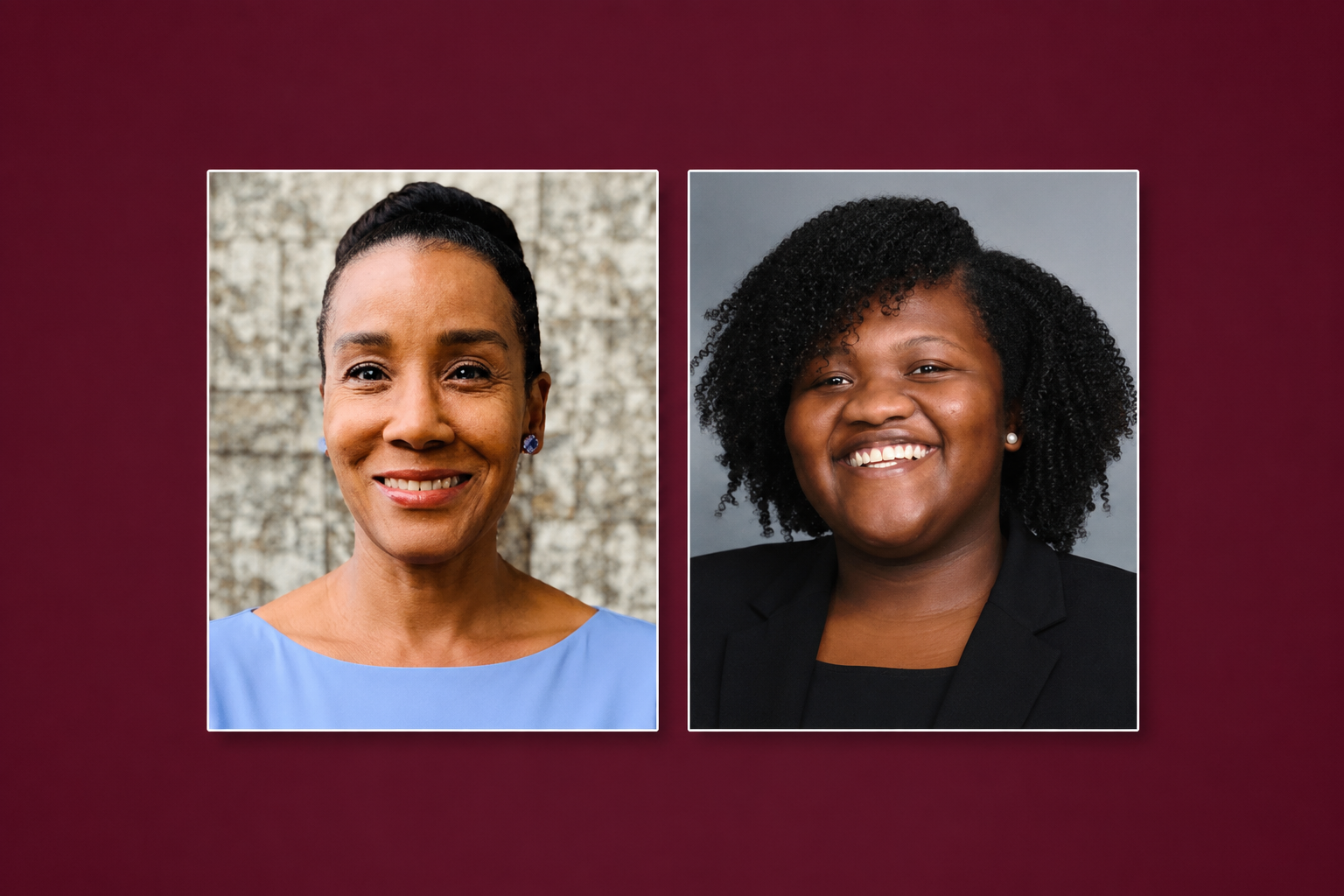
    Dr. Gracie Ann Dinkins, left, and Sydney Y.K. Brown, MA
    Share
    Facebook Twitter LinkedIn Pinterest Email
    POST NEWS GROUP — The numbers are stark. From 2014 through 2018, the age-adjusted colorectal cancer incidence rate was 40.2 cases per 100,000 Black Californians, compared with 35.8 among non-Hispanic White Californians. The mortality rate was 25.3 deaths per 100,000 among Black Californians and 17.7 among White Californians—a 43% difference.


    By Gracie Ann E. Dinkins, MD, FACS and Sydney Y. K. Brown, MA, Special to California Black Media Partners

    Every breakthrough in cancer care carries a promise: earlier detection, better treatment and longer life. California has helped deliver that promise through world-class cancer centers, a statewide cancer registry and major public-health investments. Yet colorectal cancer still exposes a painful divide: Black Californians are more likely to develop the disease and far more likely to die from it than their White neighbors.

    The numbers are stark. From 2014 through 2018, the age-adjusted colorectal cancer incidence rate was 40.2 cases per 100,000 Black Californians, compared with 35.8 among non-Hispanic White Californians. The mortality rate was 25.3 deaths per 100,000 among Black Californians and 17.7 among White Californians—a 43% difference.

    A later state analysis showed that the incidence gap remained in 2021, at 39.0 versus 35.0 cases per 100,000.

    These differences should not be treated as an inevitable consequence of biology. The more revealing explanation lies in what happens—or fails to happen—across the cancer-care continuum: prevention, screening, diagnostic follow-up, treatment and surveillance after treatment.

    Colorectal cancer is one of the few cancers that screening can sometimes prevent. Colonoscopy can find and remove precancerous polyps, while stool-based tests can identify people who need further evaluation. The U.S. Preventive Services Task Force recommends screening for average-risk adults from ages 45 through 75, with several acceptable options. But a screening test saves no one if it is never offered, never completed or not followed by a timely colonoscopy after an abnormal result.

    California’s cancer-burden report shows both the urgency of the problem and a troubling data gap. Nearly six in 10 colorectal cancers were diagnosed at a regional or distant stage among both Black and White patients from 2009 through 2018. The racial difference in stage was not statistically significant. Yet, the registry report did not include screening information, so it could not show who was offered a test, who completed it or who received the necessary colonoscopy afterward. It also did not assess whether survivors completed recommended follow-up. California can count cancers and deaths, but it cannot yet see every missed opportunity that produced them.

    The disparities become clearer after diagnosis. A California Cancer Registry study of nearly 27,000 people with stage I through III colorectal cancer found that Black patients had 39% higher odds of receiving less than guideline-recommended treatment and 78% higher odds of waiting more than 60 days for treatment than White patients. Neighborhood socioeconomic disadvantage explained part of the substandard treatment, but racial differences persisted even after researchers accounted for where patients lived.

    Survival reflects the accumulation of these missed opportunities. Among Californians diagnosed from 2009 through 2013, five-year relative survival was 58.8% for Black patients and 65.1% for White patients. After researchers adjusted for age, insurance, neighborhood income, stage, chronic illness and other factors, the survival difference was no longer statistically significant. That does not make the gap less serious. It identifies much of it as potentially preventable: when access, timing and health conditions are unequal, survival will be unequal too.

    California already has proof that a better system can work. Kaiser Permanente Northern California built an organized program that identified eligible patients, mailed annual home stool tests to those overdue, offered colonoscopy as an alternative, and tracked abnormal results through follow-up. Screening among Black members rose from about 40% in 2009 to 80% in 2019. Over the same period, their colorectal cancer death rate fell from 54.2 to 20.9 per 100,000, essentially eliminating the Black-White mortality gap within that health system.

    The lesson is not that every Californian must join one health plan. It is that equity requires organized care rather than reliance on chance encounters. Mailed screening outreach, patient navigation and guaranteed follow-up colonoscopy should become standard across Medi-Cal, county health systems and community clinics. Health systems should publicly report screening completion; time from a positive stool test to colonoscopy; time from diagnosis to treatment; receipt of guideline-concordant therapy; and completion of post-treatment surveillance—each stratified by race, insurance, and neighborhood.

    Transportation, paid time off, bowel-preparation costs, childcare and distrust are not side issues; they determine whether patients can complete care. Community organizations, churches, clinicians and public hospitals should help design outreach from the beginning, not merely deliver messages created elsewhere. Survivors should leave treatment with a clear surveillance plan, navigation support and reminders that do not disappear when active therapy ends.

    Closing California’s colorectal cancer gap is achievable. The state has the tests, specialists, data systems and proof of concept. What it needs is the will to connect them. Success should be measured not only by how many cancers we treat, but by how many we prevent, how quickly we act and whether every Californian has an equal opportunity to survive.

    About the Authors 

    Gracie Ann E. Dinkins, MD, FACS, is a Clinical Assistant Professor of Surgery and Surgery Clerkship Director at the Charles R. Drew University College of Medicine, Department of Surgery. Her mission is to help realize the CDU vision: Excellent health and wellness for all in a world without health disparities.

    Sydney Y. K. Brown, MA, is a medical student at the Charles R. Drew University College of Medicine whose work focuses on clinical research, community engagement, and health equity. She is committed to advancing equitable access to high-quality care and improving health outcomes in underserved communities.

    Share. Facebook Twitter Pinterest LinkedIn Tumblr Email
    Black Press USA

    Related Posts

    Yale’s Jasmiry Bennett named Vice President and Chief Advanced Practice Officer for Vanderbilt Health

    August 23, 2026

    Nashville General earns Full Transparency Badge

    August 20, 2026

    Meharry’s School of Dentistry Celebrates Opening of its A.B.L.E. Clinic Serving Adults with Disabilities and Complex Care Needs

    August 15, 2026

    Meharry opens specialized dental clinic for adults with disabilities

    August 13, 2026

    CareRite Centers Honors More Than 85 Centenarian Residents With Inaugural Century 100 Club Celebration

    July 23, 2026

    Preventing Amputation: a Doctor’s Guide for Diabetes Patients

    July 12, 2026

    Comments are closed.

    Business

    TikTok to close Nashville office, cutting 250 jobs

    August 23, 2026

    Mayor Announces New Initiatives to Support Nashville’s Small Businesses

    August 21, 2026

    Nashville International Airport®sees a record 26.7 million passengers in FY26

    August 5, 2026
    1 2 3 … 408 Next
    Education
    Education

    MTSU International Affairs graduate advancing global energy research

    By adminAugust 29, 2026

    By Mike Davis MURFREESBORO, Tenn. — Years before she arrived at Middle Tennessee State University,…

    As retirement nears, MTSU’s McPhee reflects on tenure ‘focused on purpose, not just growth’

    August 23, 2026

    ‘She looks after the veterans’: APSU’s Shirley Conner guides hundreds to student success through Veterans Upward Bound

    August 22, 2026

    Fisk Releases White Paper Outlining Academic Benefits of Proposed Data Center

    August 20, 2026
    The Tennessee Tribune
    X (Twitter) Instagram
    • About Us
    • Digital Subscription
    • Store
    • Advertise With Us
    • Contact
    © 2026 The Tennessee Tribune - Site Designed by No Regret Media.

    Type above and press Enter to search. Press Esc to cancel.