


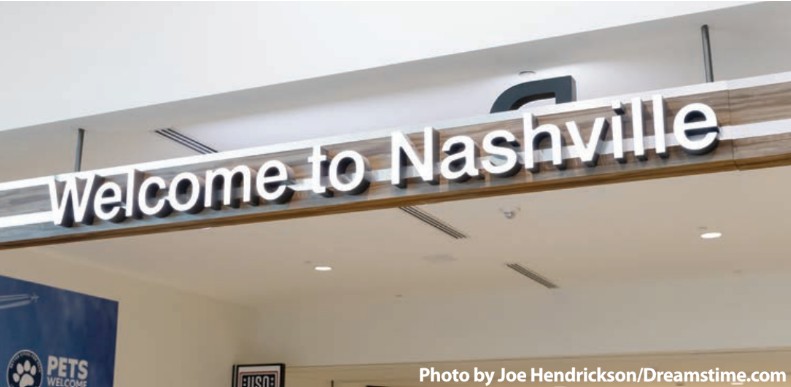

In 2025, Nashville’s focus on improving schools, delivering quality services, and maintaining a safe, affordable, welcoming city resulted in improvements across the city and positioned Nashville for more success in 2026.
“In metric after metric, Nashville is doing better than it was a year ago, and we’ve seen important progress in our shared priorities,” said Mayor Freddie O’Connell. “Crime is down. GDP is up. Unemployment is down, and school performance is up. The East Bank is coming alive. Choose How You Move is altering how we move around, and now, Second Avenue is back.”
“It’s each Nashvillian that make this city special, and I’m sincerely grateful for everyone who works to improve it. In a year of federal instability, Nashvillians have shown over and over, we step up to support one another.”
Metro Nashville has its best credit rating in history which means each tax dollar is stretching farther than it did before.
In conjunction with the release of his recommended budget, Mayor O’Connell laid out his vision for a community improvement program that focuses on three areas: quality schools, reliable services, and safety.
Schools
Both the mayor’s operating budget and capital spending plan made investment in schools a top priority. In the last year, Metro Schools cut the ribbon on three new or heavily renovated schools: Paragon Mills Elementary, Percy Priest Elementary, and Lakeview Elementary.
Students followed up the highest graduation rate in Metro history with more demonstrable improvement in key metrics. For the fourth year in a row, Metro Schools students earned the highest learning growth score in the state, and end-of-course exam results showed students reaching their best levels yet across every subject.
In FY2026, Mayor O’Connell invested $15 million for a Metro Public Health nurse in every school and funded 23 new MNPD School Resource Officers.
Nashville Public Library added 100 slots for afterschool and mentorship opportunities for the 2025-2026 school year to serve 1,688 students. NPL continued to transform the out-of-school landscape for Nashville’s families, thanks to the Library’s Nashville After Zone Alliance (NAZA). It lent 51,162 of its free books and materials directly to school libraries, thanks to its special lending partnership with Metro Nashville Public Schools.
Services
Nashville now has a full accounting of our investment in affordable housing and a holistic strategy to guide future funding, thanks to the Unified Housing Strategy unveiled earlier this year. The mayor’s budget committed $45 million to create and preserve affordability across our housing stock.
The Barnes Fund, the city’s affordable housing trust fund, has funded more than 5,000 rental homes, with over 750 homes affordable to households with incomes at or below 30% AMI. The fund supported the creation of 467 new for-sale homes affordable to households at or below 80% AMI and helped over 700 homeowners stay in their homes by providing assistance for critical repairs and accessibility improvements. In all more than 1,000 new homes were completed in 2025 thanks to Barnes funding.
Meanwhile, work by the Office of Homeless Services helped 1,914 people move from homeless to housed.
NDOT crews have been hard at work ensuring Nashvillians can move safely and efficiently. Their crews filled 33,000 potholes and removed 124 tons of litter from the streets.
When we’re driving down Lebanon Road, NDOT’s new smart signals will result in more reliably flowing traffic. NDOT installed smart signals, which are better timed to improve traffic flow and adjust to evolving conditions, at 36 intersections. Lebanon Road is the first example of the type of smart signals that Choose How You Move will bring across the county over the next decade. In all, two-thirds of our citywide intersections will be upgraded to smart signals.
The first two batches of projects are well underway from Choose How You Move. On the one-year anniversary of the overwhelming passage of the referendum, we cut the ribbon on a new bus queue jump lane on Murfreesboro Road and launched the first-ever income-based free fare program (more than 6,000 Nashvillians have signed up since September). WeGo has expanded frequency of key routes, expanded weekend hours for Access Ride, its paratransit service, and added front-door service to two local high schools.
Metro and Nashvillians stepped up to help our neighbors who lost food and nutrition assistance during the record-long federal government shutdown. Thanks to a partnership with Second Harvest Food Bank, the Hunger Can’t Wait campaign distributed 8,136,262 pounds of food and raised $1,125,732. Over the same period in 2025 vs 2024, the number of donors increased 106%.
Plus, Metro Social Services provided 2,700 food boxes and bags at their food popups.
The hubNashville team saw requests increase again in 2025 with 296,000 requests for assistance large and small. The hub team was able to lend direction with immediate assistance on 26% of those calls with the rest referred to the right department. The number one need was assistance with trash carts or pickups managed by the new Department of Waste Services.
This flu season, the Metro Health Department administered 2,598 flu shots, and Metro increased its WIC assistance, resulting in 20,832 monthly participants receiving help through the program.
And Nashvillians took full advantage of our array of libraries, parks, greenways, and community centers.
- Readers borrowed more than 6.7 million books and materials from the library.
- 190,000 visited four Nature Centers
- 408,000 rounds of golf were played
- 146,000 skated at Centennial
- 330,000 visited the Parthenon
- 11,500 took visual arts classes
- 3100 students were served during summer enrichment
- 2200 students are doing after care at community centers
Lastly, Mayor O’Connell struck several deals to protect the Metro taxpayer and elevate several community assets to higher and better uses. A new deal was reached for a long-term operator of Ascend Amphitheater. TPAC will have a new home on the East Bank and help pay for infrastructure there. Rivergate Mall will be redeveloped, and Centennial Sportsplex will get needed renovations. At Municipal Auditorium, the Musicians Hall of Fame is there to stay thanks to a new lease.
Perhaps most importantly, a Professional Services Agreement between Meharry and Nashville General Hospital ensures the excellent medical school and community hospital have a well-functioning partnership, and new leadership at NGH will usher it toward better financial footing.
Safety
Lastly, the first job of a mayor is to keep Nashvillians safe. Thanks to the great work of the police department, crime is down in every category and 12% overall.
- Violent crime is at its lowest rate since 2013
- Property crime is at its lowest rate since 2022
- Homicide (down 29%) is at its lowest rate since 2014
- Robbery and burglary are at their lowest rates since 2010
Mayor O’Connell’s budget made historic investments in public safety, in areas where Nashvillians saw the greatest need. The budget created the first transit safety division, made the D-Detail flex unit permanent, and invested in community safety strategies.
The new Southeast Police Precinct is open and driving down response times in one of the fastest growing areas of the city. Nearby, there is a new ladder company from NFD serving Antioch.
Metro Police’s precision policing model means more repeat offenders are being held accountable. The investigative unit that handles non-lethal shootings has produced an arrest rate of 67% this year. As a result, crime is down in every precinct across the county:
- West: down 7%
- East: down 6%
- South: down 23%
- Central: down 5%
- Hermitage: down 3%
- North: down 7%
- Madison: down 17%
- Midtown Hills: down 7%
- Southeast: down 24%
