



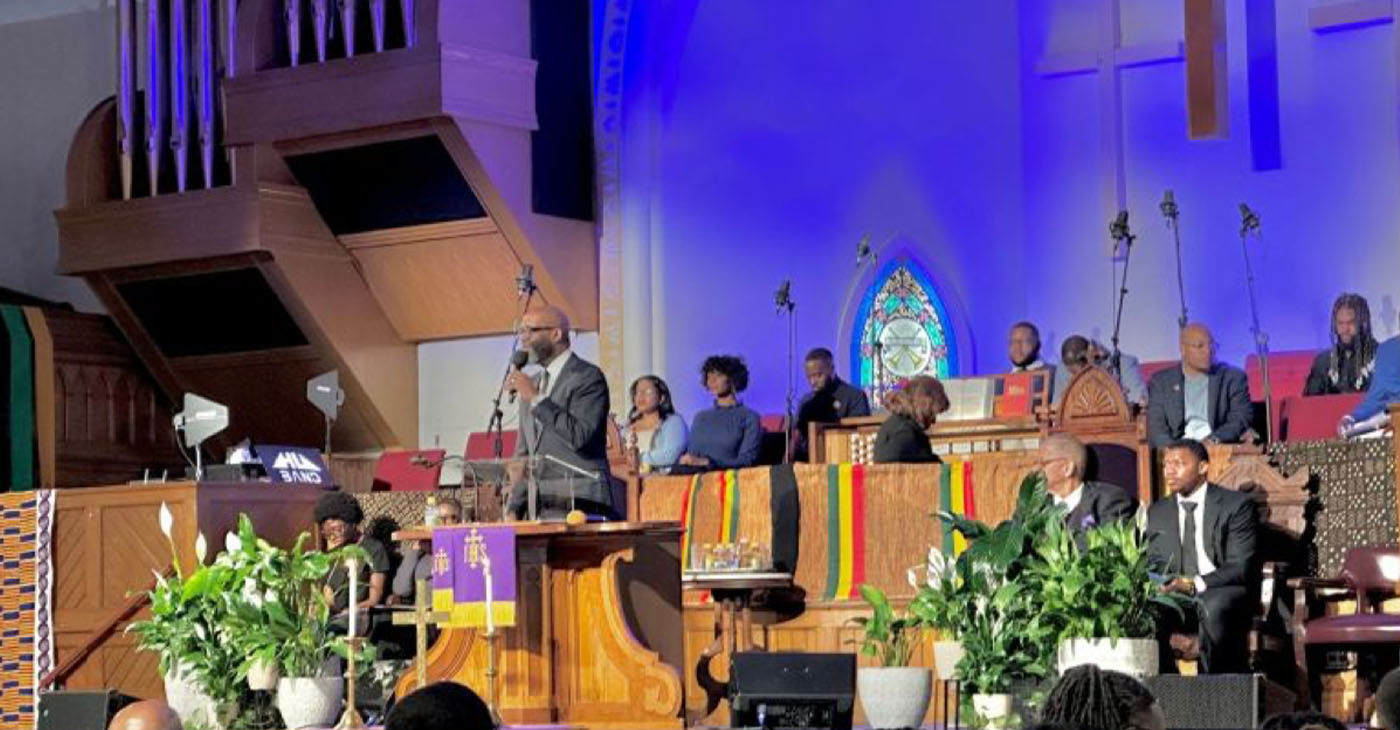

THE AFRO — The Black Press has sustained itself, keeping the mission alive even when faced with a variety of weapons formed against it. Early Black media professionals faced intimidation, sabotage and even death for the words and images they printed. The AFRO, for example, was founded August 13,1892 just months after The Free Speech and Headlight, a publication co-owned by teacher and activist Ida B. Wells, was burned to the ground on May 27, 1892.
By Alexis Taylor, AFRO Managing Editor
Emerging on March 16, 1827, with the debut of “Freedom’s Journal,” the Black Press was started by the intellect, hard work, and courage of John Russworm and Rev. Samuel Cornish.
Though Russworm was born in Jamaica in 1799 and Cornish was a free man born to free parents in Delaware in 1795, the two began their endeavor with one top goal in mind.
“We wish to plead our own cause,” they proclaimed together, in the first edition of the publication. “Too long have others spoken for us. Too long has the public been deceived by misrepresentations, in things which concern us dearly…”

The Black Press has sustained itself, keeping the mission alive even when faced with a variety of weapons formed against it. Early Black media professionals faced intimidation, sabotage, and even death for the words and images they printed. The AFRO, for example, was founded on August 13, 1892, just months after The Free Speech and Headlight, a publication co-owned by teacher and activist Ida B. Wells, was burned to the ground on May 27, 1892.

In the 1940’s, dozens of Black papers, including The Baltimore AFRO, were surveilled by FBI Director J. Edgar Hoover, who desperately wanted to charge members of the Black Press with sedition or anything he could for informing and organizing Black people to make change.

Dr. Frances “Toni” Draper, AFRO News Publisher and CEO, shares a moment on Black Press Sunday with Dorothy Gilliam, the first Black reporter at The Washington Post. Credit: AFRO Photo / Alexis Taylor.
“The issues of today really have not changed. They’ve changed in how we report, but we are still dealing with inequities. We’re still dealing with racism. We’re still dealing with a higher proportion of certain diseases impacting our community,” said Dr. Frances “Toni” Draper, AFRO News Publisher and CEO. “We’re still dealing not only with the miseducation of the Negro– but the undereducation, as people seek to pull out books and other things from schools.”
“Those things are important, and it’s important to advocate,” said Draper. “The economic issues are still there. The inequities are everywhere.”
