


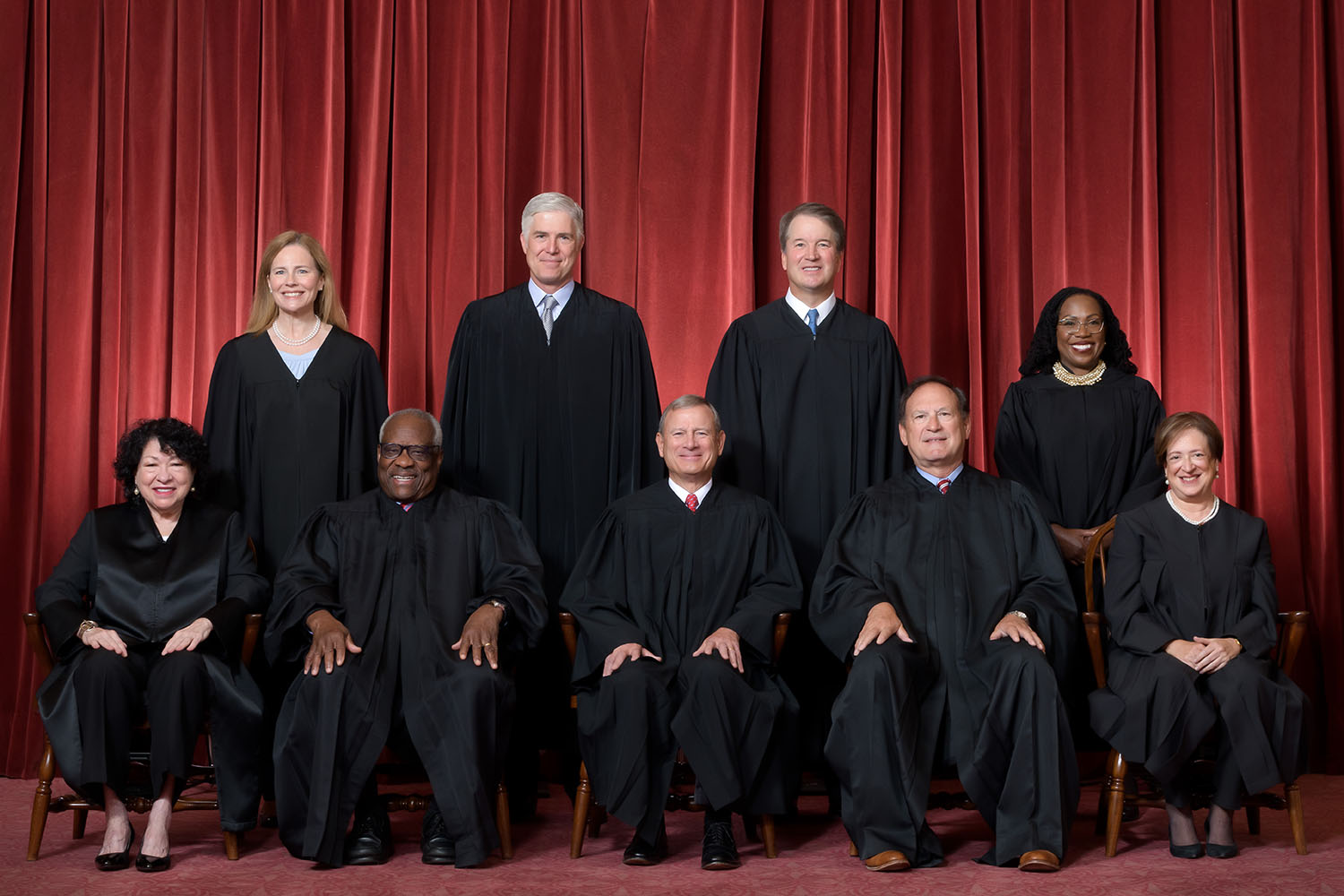
As the U.S. Supreme Court convenes for its October sitting, a series of significant cases will be heard, many with crucial implications for civil rights. This term is particularly noteworthy as it unfolds against the backdrop of a closely contested presidential election between Kamala Harris and Donald Trump. The outcomes of these cases could have far-reaching effects on civil rights and potentially influence the election’s outcome.
One of the key cases is Williams v. Washington (No. 23-191), which examines whether plaintiffs must exhaust state administrative remedies before bringing claims under 42 U.S.C. § 1983. This case could impact access to justice for individuals alleging civil rights violations, particularly regarding state officials’ actions. A ruling that mandates exhaustion may hinder the ability of some plaintiffs to seek redress effectively.
Another critical case is Lackey v. Stinnie (No. 23-621), which will address the standards for prevailing under 42 U.S.C. § 1988. The Court will consider whether a party must secure a definitive ruling on the merits to qualify for attorney’s fees in civil rights litigation. This decision could influence the willingness of attorneys to take on civil rights cases, potentially shaping the landscape of legal representation in these matters.
Glossip v. Oklahoma (No. 22-7466) delves into due process concerns in capital cases, specifically addressing the suppression of critical witness testimony. The implications for fair trial standards are profound, as a ruling in favor of the defendant could reinforce protections against wrongful convictions and underscore the importance of transparency in legal proceedings.

A highly anticipated case, United States v. Skrmetti, will be heard on Dec. 4. This case challenges a Tennessee law enacted in 2023 that bans gender-affirming care for transgender patients under the age of 18. The law has been contested by three transgender teenagers and their parents, who argue that it violates their constitutional right to equal protection. The Supreme Court’s ruling in this case could set a significant precedent regarding the rights of transgender youth and the legal framework surrounding gender-affirming care.
As the presidential election approaches, the Supreme Court’s decisions could directly impact voting rights and election laws. With the potential for contentious cases involving gerrymandering and voter ID requirements, the Court may play a decisive role in shaping the electoral landscape, especially in battleground states crucial for both candidates.
Given the stakes, both the Harris and Trump campaigns are closely monitoring these developments, as the rulings may influence not only civil rights but also the political dynamics leading up to the election. The Court’s decisions may ultimately determine not just legal precedents but also the balance of power in a closely contested political landscape.
